
CQC Inadequate rating: what happens next
Rated Inadequate? We help services stabilise, recover and prove it to CQC
CQC has rated you Inadequate, its lowest rating: in its own words, a service that is performing badly. Special measures and enforcement are likely to follow. A draft report gives you 10 working days to fix the facts. Our crisis and turnaround team steps in to steady the service and lead the recovery. Call us now.
We know how this feels
An Inadequate rating is public, and it's blunt. It goes on CQC's website, on a sign at your premises and on your own website. Families read it. So do your staff and your commissioners.
It can feel brutally unfair. Your team gets hundreds of things right every day, and one report seems to wipe all of it out. Owners have used the word life-changing to us, and the fallout can run for years.
So we won't soften it. Inadequate is serious. It isn't the end of your service, though. In our experience, providers who own the findings and get expert help in straight away come through it far better than those who wait for the re-inspection.
What an Inadequate rating can mean for your service
An Inadequate rating can have significant consequences: increased scrutiny from CQC, concerns from commissioners, reputational damage and the potential for further enforcement action.
In our experience, services can and do recover from an Inadequate rating. It takes immediate action on the risks, the right priorities, stronger governance and evidence that the improvements have lasted. That's the work we do.
How we help you recover
We work in a deliberate order: own the findings, understand what's behind them, fix them, evidence the change and make it stick. In our experience, that's what CQC needs to see.
Immediate operational intervention
We step into the service to deal with urgent risks, steady the team and strengthen day-to-day management oversight. We usually work alongside your Registered Manager, Nominated Individual and leadership team.
Finding and fixing the underlying failures
We look past the individual findings to what caused them: systems, staffing, training, supervision or oversight. Then we fix those, so the same findings don't come back at re-inspection.
Stronger governance and management oversight
We review and rebuild your governance: audits that find problems before CQC does, clear lines of accountability and reporting that reaches the owner or board.
An improvement plan that gets delivered
A structured plan with named owners, timescales and measurable outcomes, mapped to the five key questions. Then we help you deliver it, on site where needed.
Demonstrating sustained improvement
We gather dated evidence that the changes are working and holding, and prepare the service to show it to CQC, with a mock inspection well before the re-inspection.
Keeping CQC and stakeholders informed
We help you give CQC, commissioners, families and staff a clear, honest account of what has gone wrong and what is changing.
Why our crisis and turnaround team
We deal with CQC enforcement and regulatory challenges day in, day out, with decades of collective experience. An Inadequate rating is exactly the kind of situation our crisis and turnaround support exists for, and we bring structure and clear priorities from the first day.
Kath Cox leads our adult social care interim and crisis support. A former Registered Manager and Operations Manager, she oversees projects where providers face regulatory pressure, leadership gaps or operational problems, and works to stabilise services, put sound governance in place and drive measurable improvement.
Adam Duncan, our Managing Director, has served as a Specialist Advisor with CQC and as a Director of Quality and Governance. Helen Stevenson, a qualified dentist on our team, is a former CQC inspector. Adam and Helen know how CQC reads a report because they've seen it from CQC's side. For GP and clinic services, Dr Atif Ghaffar, our Medical Director, has been his practice's CQC lead.
If a Warning Notice or a Notice of Proposal arrives alongside the rating, we lead the compliance response. Where legal representation is needed, we work with our trusted legal partners.
Who you'll work with
The people who lead our turnaround work after an Inadequate rating.
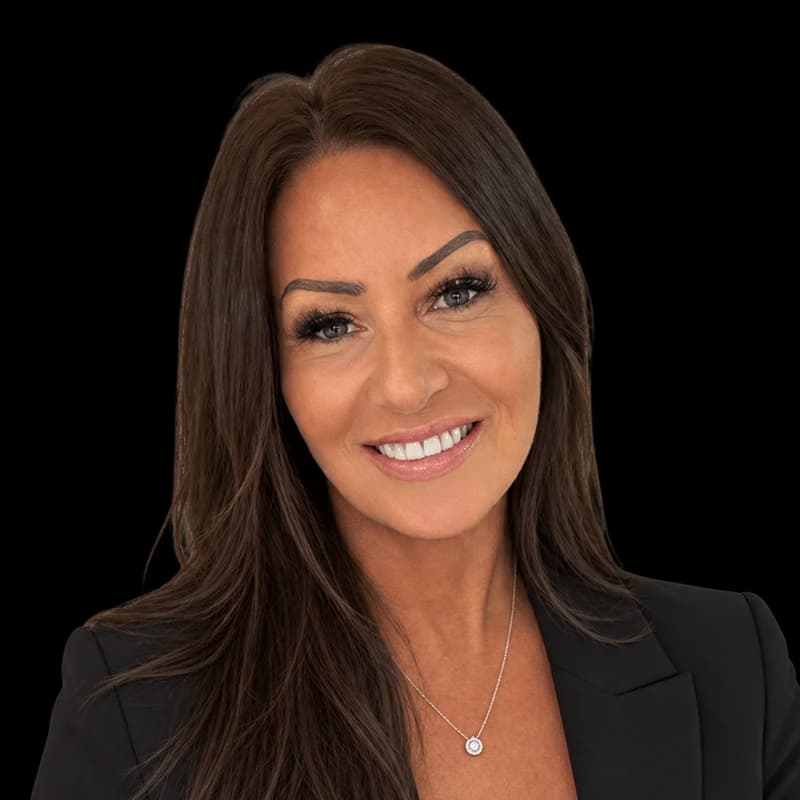
Kath Cox
Head of Adult Social Care (Service Transformation)
Former Registered Manager and Operations Manager. Leads our adult social care interim and crisis support, stabilising services and putting sound governance in place.

Adam Duncan
Managing Director
Over two decades of senior clinical and operational leadership. Former CQC Specialist Advisor and Director of Quality and Governance.

Helen Stevenson
CQC Registration Associate
A qualified dentist and former CQC inspector. Understands compliance and governance from both the provider's and the regulator's side.

Dr Atif Ghaffar
Medical Director
A long-serving GP Principal and his practice's CQC lead, with experience across primary and acute care. Former Medical Director at CQC Compliance Limited.
Support we can bring in
- Immediate operational stabilisation and on-site crisis support
- Crisis intervention and turnaround, usually alongside your existing managers
- Interim Registered Manager support if your manager has left
- Managed care service support, where you need extra leadership and delivery capacity
- An urgent, independent review of the draft or published report, and factual accuracy comments with the evidence behind each one
- Governance and compliance restructuring
- Clinical and operational improvement: care planning, risk management, medicines management and staffing
- Policies, procedures, care documentation and audit tools
- Evidence management, and a mock CQC inspection before the re-inspection
- Our trusted legal partners on any notice that comes with the rating
What does a CQC Inadequate rating mean?
Inadequate is the lowest of CQC's four ratings. CQC's own public definition is stark: the service is performing badly, and CQC has taken action against the person or organisation that runs it. In CQC's newer reports, Inadequate means a score of 38% or lower.
You can be rated Inadequate overall, or for one of the five key questions: safe, effective, caring, responsive and well-led. Either one starts a clock.
A rating is not itself a notice under the Act. Any Warning Notice, Notice of Proposal or urgent notice reaches you as a separate document with its own deadline, so check every letter and email from CQC. CQC does say that Inadequate ratings will generally include a breach of regulations.
This page is general information, not legal advice.
Why is an Inadequate rating so serious?
Because the rating is where CQC's response starts. A service rated Inadequate overall goes straight into special measures. A service rated Inadequate for one key question is re-inspected within six months of publication, and enters special measures if any key question is still Inadequate. CQC's guidance for independent healthcare, GP practices and urgent care follows the same pattern.
Special measures is CQC's administrative framework for services providing inadequate care. It is not a statutory power, and there is no right of appeal against it. Its purpose is to give a provider a clear, time-limited period to improve.
It often doesn't come alone. CQC says it is likely to take enforcement action at the same time as a service goes into special measures, and that it may take urgent action instead. When CQC picks its enforcement action, its decision-makers are told to consider all civil and criminal options.
If a service is still rated Inadequate at the end of the special measures period, CQC's enforcement decision tree tells its staff to consider cancelling registration unless there is good reason not to.
One caution on dates. CQC marks its special measures pages for adult social care, GP practices and urgent care as under review, and the detailed guidance dates from 2015. Treat the timescales on this page as CQC's published guidance, and check the current position with CQC.
Why has CQC come down this hard?
CQC reads everything through risk. It describes a rating as a rounded assessment of the overall effect on people of how a service is provided. So an Inadequate rating reflects CQC's view of the service as a whole, or of a whole key question.
In our experience, a single incident tells CQC that a process wasn't followed. If it happened once, with dozens of people in your care, what stops it happening tomorrow? What else isn't being done? That's how one missed record can turn into a finding about your whole governance.
It's also why CQC can seem to go from nought to a hundred. A service rated Good last time can be rated Inadequate after one assessment, and CQC has the powers to stop a service.
Why is this so hard to handle on your own?
Because everything lands at once. Two short deadlines run in the first weeks: the factual accuracy check on the draft and, after publication, the window to ask for a rating process review. A separate notice may be running its own clock. Meanwhile you still have a service to run, staff who are rattled and families who've read the report.
It's also hard to audit your own work honestly when a regulator has just told you it isn't good enough. An outside eye that knows how CQC reads evidence finds the gaps you've stopped seeing.
In our experience, most providers get proper help only once something has gone wrong. You're there now, and the re-inspection is already on its way. The sooner the recovery work starts, the more evidence you'll have to show.
What to do in the first fortnight
Work through these in order. Diary every date on the day you read this. General information, not legal advice.
Today: work out which clock is running
Draft report: 10 working days from the date of CQC's email to send factual accuracy comments, not from when you open it. CQC only extends this in exceptional circumstances, and you must tell it why in writing straight away. Published report: 15 working days from publication to ask for a rating process review.
Today: get expert help
Call us. Every day spent reading guidance comes off the time you have to build evidence.
Today: check for any separate notice
A Warning Notice or a Notice of Proposal is separate from the rating and carries its own deadline, stated in the notice. Read every letter and email from CQC.
This week: deal with immediate risk
Fix anything in the report that could harm someone today. Record what you did, who did it and when. That dated record is the start of your evidence.
This week: use the factual accuracy check properly
At draft stage, correct errors of fact and add missing evidence from the time of the assessment. The check is not for arguing with the rating. Our factual accuracy check page shows how to set out each point.
This week: steady your leadership
If your registered manager has left or is leaving, put interim cover in place and notify CQC in writing as soon as reasonably practicable, as the Registration Regulations require.
This week: tell the people who use your service
CQC's special measures guidance says providers should tell people who use the service through all reasonable means. Tell families and staff as well, before they hear it elsewhere.
This week: get ahead of your commissioners
CQC's special measures guidance says commissioners hear before the report is published. Expect questions about future placements. Have a one-page summary ready: findings, actions taken with dates, and your plan.
Once published: display the rating
Regulation 20A requires the rating on your website and on a legible sign in a conspicuous place at each premises and your principal place of business. Failing to display it is an offence. CQC says it must go up no later than 21 calendar days after CQC publishes it, even if you've asked for a review.
By the end of week two: a first improvement plan
Have a draft plan with named owners and dates, even if parts are rough. Use the structure further down this page.
What happens next, under CQC's published guidance
Under CQC's published guidance, a service rated Inadequate overall goes into special measures and is re-inspected within six months. Here's how that plays out.
The draft report
CQC sends a draft for a factual accuracy check. Where special measures applies, the draft proposes the Inadequate rating and says so. You have 10 working days from the date of CQC's email to comment.
Publication
The published report states the special measures decision. You then have 15 working days to ask for a rating process review, and you must display the rating.
Re-inspection within six months
For adult social care, CQC's guidance says it re-inspects within six months of publishing the report. A service comes out of special measures once no key question is rated Inadequate. It does not need to reach Good.
If progress is not enough
CQC begins action to propose cancelling or varying the registration, and inspects again within six months. If a key question is still Inadequate, CQC acts to stop or limit the service. The guidance says special measures usually lasts no more than 12 months in adult social care.
What happens if you do nothing?
Nothing pauses. Under CQC's guidance, the re-inspection comes within six months. If sufficient progress hasn't been made and any key question is still Inadequate, CQC begins action to stop the service operating, by proposing to cancel the registration or vary its terms.
If cancellation does go through, carrying on the regulated activity after that is an offence, and CQC can prosecute it. Meanwhile, the rating stays public for every family, commissioner and job applicant to read.
Can you challenge an Inadequate rating?
Only in narrow ways, and only fast. Before publication, the factual accuracy check lets you correct errors of fact and add missing evidence from the time of the assessment. CQC can change a draft rating if the evidence behind it was wrong or incomplete. It won't change one because you disagree.
After publication, the only CQC route left is a rating process review, on process grounds only. CQC says scores and ratings can go down as well as up as a result of a review. The rating stays published while the review runs.
If you're also challenging enforcement action, CQC pauses the review until that challenge is complete, including any appeal to the First-tier Tribunal. There is no appeal against special measures.
A case study
An adult social care provider with a long run of Good ratings was served a Notice of Proposal to cancel its registration. Then its Registered Manager left without notice. The provider called us on a Friday morning. An experienced interim manager was in the service by the Monday, and our governance team had started on the formal reply.
That's the kind of enforcement CQC says is likely alongside special measures. After an Inadequate rating the first job is the same: steady hands in the service, then the evidence.
Common mistakes
- Using the factual accuracy check to argue with the rating. CQC says the check is not for disagreeing with a rating or score.
- Sending improvements made since the assessment as corrections. Unless there are exceptional circumstances, CQC will not use them to change the rating.
- Asking for a rating process review because the rating feels unfair. The only ground is that CQC did not follow its process.
- Forgetting that a review can lower a score as well as raise it.
- A plan full of new policies and training dates, with nothing to show that care changed.
- Treating the re-inspection date as the deadline for starting. By then you need months of evidence that the changes have stuck.
Before your first call, have these to hand
Don't delay the call to find them.
- The draft or published report, and CQC's covering email with its date. That date sets your first deadline.
- Any separate notice from CQC, such as a Warning Notice or a Notice of Proposal.
- What you've already put right since the assessment, with dates.
- Your current registered manager and nominated individual position.
- Your most recent audits and any action plan you already have.
Who we do this for
Inadequate rating: common questions
What does a CQC Inadequate rating mean?
Does an Inadequate rating mean CQC is taking enforcement action?
Will my service go into special measures?
How long do we have to improve?
Can we challenge an Inadequate rating?
How do you help a service recover from an Inadequate rating?
The HLTH Compliance team provided outstanding post-inspection support, offering calm, effective guidance during a challenging time. Their approach was not only professional but also sympathetic to our unique situation, creating a constructive environment for collaboration with our staff.
Stephen Gilmour, Hevercourt LimitedPOST-INSPECTION SUPPORT
Served a notice? Call now.
020 8090 5346Speak to one of our experts
Clinicians, a former CQC inspector and a former Registered Manager.
What happens on the call
- Pick a time that suits you. The call is free and takes 15 minutes.
- You speak to one of our experts about your situation.
- You leave with a clear next step, before any big commitment.
A clear next step, before a big commitment
Rated Inadequate? Call us today.
The first deadlines are counted in working days, and they're already running. Call our crisis and turnaround team now, while you can still shape what happens next.
Speak to one of our experts
Clinicians, a former CQC inspector and a former Registered Manager.
A 15-minute introductory call to explain your situation, explore the right support and discuss the next step.