
CQC special measures support
In special measures? Services do get out, and we help you get there
CQC has put your service in special measures. Under its guidance, it re-inspects within six months. Still Inadequate then, and it starts proposing to cancel or vary your registration. Services do come out, and you don't need Good to do it. We help you stabilise, fix, evidence and embed the change CQC needs to see.
We know how this feels
Special measures is a long, public grind. The report is out, the rating is on your wall, and CQC is watching closer than it ever has. Some weeks it feels like every decision you make is being marked.
In our experience it gets personal, and it can drag on for years. You're explaining to families and staff why a regulator says the service isn't good enough, while trying to keep the same team motivated enough to fix it.
So here's the honest version. Special measures is serious, and CQC's guidance ends in action to cancel or restrict services that don't improve. It's also a route back. CQC's exit test is that no key question is still rated Inadequate. You don't have to reach Good to get out.
What is CQC special measures?
Special measures is CQC's regime for services providing inadequate care. CQC calls it an administrative framework for providers that are failing to comply with their legal requirements and need a higher than usual level of regulatory supervision. It's usually triggered by an Inadequate rating, rather than by an individual breach of regulations.
The CQC rates services Outstanding, Good, Requires Improvement or Inadequate using the Single Assessment Framework and its quality statements. Under CQC's published guidance, which CQC marks as under review, a service rated Inadequate overall goes into special measures. A service rated Inadequate for one key question is re-inspected first, and enters special measures if any key question is still Inadequate.
This page is general information, not legal advice.
Is special measures the same as an Inadequate rating?
No. The rating is CQC's judgement. Special measures is what CQC does with it: a time-limited period of closer supervision, with its enforcement powers ready if the service doesn't improve. CQC says it can still use those powers during the special measures period.
If your report is still in draft, or was published in the last few weeks, start with our Inadequate rating page. The first deadlines are about the report itself. This page is about the months that follow.
Why is special measures so serious?
Because the deadline has teeth. CQC says special measures gives providers a clear timeframe to improve, and if they don't, it is likely to seek to cancel their registration.
Enforcement can run alongside it from day one. CQC says it is likely to take enforcement action at the same time as a service goes into special measures. A Warning Notice or a Notice of Proposal can land while you're still writing the plan.
For groups, it spreads. When one of a provider's services goes into special measures, CQC says it assesses the wider impact on the quality of care in the provider's other services. CQC also says a provider in special measures may be under the close supervision of another oversight body at the same time.
There is no right of appeal against special measures. A caution on dates, too: CQC marks its adult social care special measures page as under review, and its detailed guidance dates from 2015. Check the current position with CQC.
Why has CQC put your service here?
Special measures follows a rating, and CQC describes ratings as a rounded assessment of the overall effect on people of how a service is provided. It's a judgement about how the service runs day to day.
In our experience, CQC asks one question at every stage. If this happened once with dozens of people who use your service, what stops it happening tomorrow? Special measures is CQC waiting to see whether you can answer that with evidence, consistently, for months.
That's why quick fixes don't land. A new policy proves you've written something. CQC wants to see that care has changed, and that it stays changed on an ordinary Tuesday when nobody's checking.
Why is a turnaround so hard from the inside?
Because you're fixing the service while it runs, with the team that was there when it went wrong. In our experience, registered managers often leave around now. Good staff get nervous and start looking elsewhere. Commissioners start asking about placements.
A common trap is an action plan that's a long list of new policies and training dates. It reads well in a meeting and shows CQC very little about the care people actually get.
Every week spent on the wrong priorities is a week you don't get back before the re-inspection. That's where we help. We cut through the noise, set clear priorities and bring structure, so the time goes on what CQC will actually look for.
How special measures works, step by step
This is CQC's published guidance for adult social care. CQC's guidance for independent healthcare, GP practices and urgent care follows a similar pattern.
Going in
A service rated Inadequate overall goes straight in. A service rated Inadequate for one key question is re-inspected within six months of the report being published, and goes in if any key question is still Inadequate.
The report says so
The draft report proposes the Inadequate rating and special measures. Commissioners hear before publication, and the published report states the decision.
The re-inspection
CQC's 2015 guidance, which CQC marks as under review, says it re-inspects within six months of a service entering special measures. It checks whether sufficient progress has been made.
Coming out
A service comes out of special measures once no key question is rated Inadequate. It does not need to reach Good.
If progress isn't enough
CQC begins action to stop the service operating, by proposing to cancel or vary the registration. It then monitors the service closely until it either closes or makes substantial and rapid improvements.
The last inspection
CQC inspects again within six months. If an Inadequate rating remains in any key question, it acts to stop or limit the service. The guidance says special measures usually lasts no more than 12 months in adult social care.
What to do in your first month
A suggested pace from our turnaround work, not CQC rules. General information, not legal advice.
Week 1: get an independent read
Have someone outside the service test the report against CQC's framework and your own records. You need to know which findings are symptoms and which are causes.
Week 1: steady the leadership
If your registered manager has gone, put an interim manager in and notify CQC in writing as soon as reasonably practicable. A turnaround needs someone in charge on the floor every day.
Week 1: tell the people who use your service
CQC's guidance says you should tell the people who use your service through all reasonable means. Tell families and staff what the plan is and when they'll next hear from you.
Week 1: display the rating
It must be on your website and at your premises no later than 21 calendar days after CQC publishes it. CQC encourages services rated Inadequate to show what they're doing to improve alongside it.
Weeks 1 and 2: find the root causes
For each finding, keep asking why until you reach something you can change: staffing, supervision, training, systems or leadership.
Weeks 2 and 3: build one plan
Prioritised by risk, mapped to the five key questions, with a named owner and a date for every action. One plan, owned by the service.
Week 3: set the governance rhythm
Weekly progress reviews, minuted, with slippage escalated to the owner or board. At re-inspection, CQC will want to see that leaders knew what was happening.
Week 4: brief your commissioners
Share the plan and the progress so far. Then update them on a schedule, so they never have to chase you.
Then: test it
Book a mock inspection well before the re-inspection window closes, with enough time left to fix what it finds.
What does CQC look for at the re-inspection?
Whether sufficient progress has been made, and whether any key question is still rated Inadequate. That's the exit test.
In our experience, the services that come out can show change over time: audits that improve month on month, care records that read differently, staff who can explain what changed and why, and leaders who spotted problems before CQC did. A folder of documents dated last week is far weaker than a trend.
Any key question CQC re-assesses can move, in either direction.
What happens if the service doesn't improve?
CQC's guidance is direct. If sufficient progress hasn't been made and any key question is still Inadequate, CQC begins action to stop the service operating, by proposing to cancel or vary the registration. It then monitors the service closely until it either closes or makes substantial and rapid improvements.
A further inspection follows within six months. If an Inadequate rating remains in any key question, CQC acts to stop or limit the service. CQC's enforcement decision tree tells its staff to consider cancelling the registration of a provider still rated Inadequate at the end of the time-limited period, unless there is good reason not to.
Carrying on a regulated activity after registration is cancelled is an offence, and CQC can prosecute it. A Notice of Proposal can still be answered, and a Notice of Decision can be appealed to the Tribunal. By then, though, you're fighting on CQC's timetable.
Why providers call HLTH
Turnaround is what we do. We deal with CQC enforcement and special measures day in, day out, with decades of collective experience across different types of enforcement action. We often work alongside your Registered Manager, Nominated Individual and leadership team, and provide interim leadership where there's a gap.
Our approach is supportive and structured. We acknowledge what CQC found, assess the root causes and fix what matters most first. We evidence every change, embed it so it holds on an ordinary Tuesday, and keep CQC and commissioners informed along the way.
Jayne Downey, our Non-Executive Clinical Director, was Director of Governance and Corporate Nursing and Nominated Individual for Salford Royal NHS Foundation Trust, an Outstanding-rated trust. She knows what good governance looks like from the top.
If CQC moves to cancel, the turnaround carries on. Our trusted legal partners, or your own solicitor, can support the formal response while we keep improving the service.
The people behind your turnaround
These are some of the experienced people behind our CQC turnaround and enforcement work. Between them they have run services, advised CQC and inspected for it.
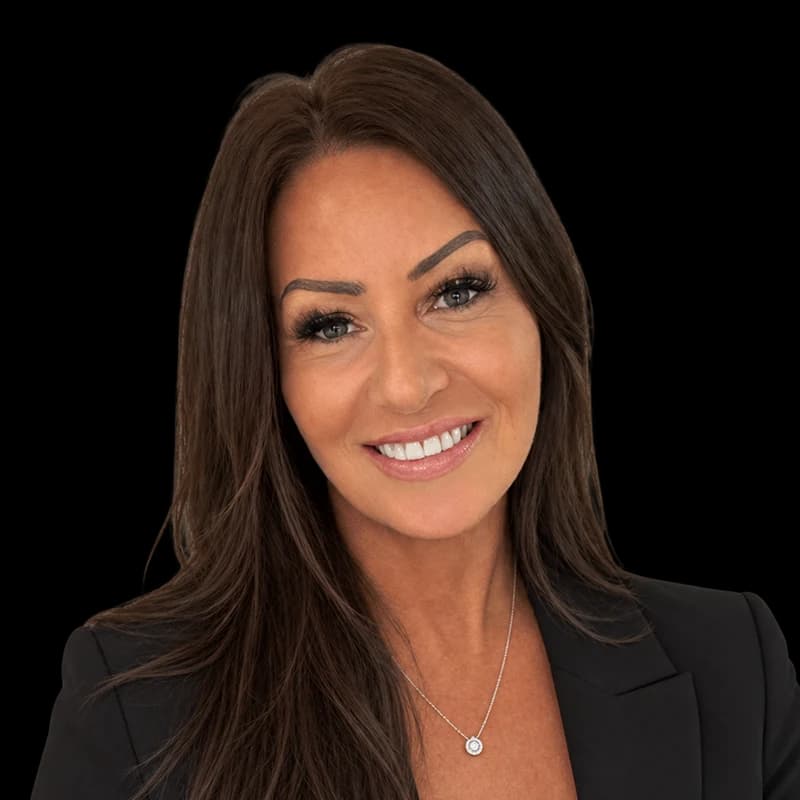
Kath Cox
Head of Adult Social Care (Service Transformation)
Former Registered Manager and Operations Manager. Leads our adult social care interim and crisis support, stabilising services and putting sound governance in place.

Adam Duncan
Managing Director
Over twenty years of senior clinical and operational leadership. Former CQC Specialist Advisor and Director of Quality and Governance, who has built governance frameworks and quality systems.

Helen Stevenson
CQC Registration Associate
A qualified dentist and former CQC inspector. Understands compliance and governance from both the provider's and the regulator's side, and runs rigorous mock inspections.

Dr Atif Ghaffar
Medical Director
GP Principal for sixteen years and his practice's CQC lead. Former Medical Director at CQC Compliance Limited, who knows why services need to stay CQC-ready at all times.
What our special measures support covers
- Immediate operational stabilisation: urgent risks addressed and management oversight strengthened
- An independent review of CQC's findings against the Single Assessment Framework, with clear priorities
- An internal inquiry into the root causes
- A prioritised improvement plan mapped to the five key questions, with owners, dates and measurable outcomes
- Governance and compliance restructuring that shows leaders are in control
- Clinical and operational improvement in the areas CQC identified, such as care planning, risk management, medicines and staffing
- Experienced people on site, working alongside your team to put the plan in place
- Interim Registered Manager support when a Registered Manager leaves or a service needs cover
- Evidence of improvement that shows change over time, filed by key question
- Help with what you tell CQC, commissioners, families and staff, plus HR advice
- A mock CQC inspection before the re-inspection
- Our trusted legal partners on any Notice of Proposal or Notice of Decision
A case study
A provider with years of Good ratings behind it received a Notice of Proposal to cancel its registration. Then its Registered Manager left without notice. It called us on a Friday morning, and an experienced interim manager was in the service by the Monday while our governance team built the formal reply.
Special measures turnarounds start the same way. Somebody steady has to be in charge on the floor before any plan means much.
Your turnaround plan: an outline
Use this to organise the work, with us or on your own.
1. Stabilise
Immediate risks closed, leadership in place, staffing safe. Dated evidence for each.
2. Diagnose
A root cause for every finding, including the patterns CQC hinted at but didn't spell out.
3. Prioritise
Risk to people first. In most turnarounds, safe and well-led come before the rest, because they drive everything else.
4. Fix
A named owner, a date and the resources for each action.
5. Embed
Supervision, spot checks and repeat audits that show the changes are holding.
6. Prove
Evidence filed by key question and quality statement, showing trends over time.
7. Rehearse
A mock inspection, and practice for the conversations CQC will have with staff, people and families.
Common mistakes
- Treating special measures as a paperwork exercise. CQC inspects the care people get.
- Waiting until the re-inspection feels close before getting help.
- Starting everything at once and finishing nothing.
- Leaving the registered manager to carry it alone.
- Going quiet with commissioners and families.
- Assuming you need Good to get out. The exit test is no key question rated Inadequate.
- Forgetting your other services. CQC looks at the wider impact across the provider.
Before your first call, have these to hand
Don't delay the call to find them.
- The published report, and the draft if you still have it.
- Any notice from CQC, such as a Warning Notice or a Notice of Proposal.
- Your current registered manager and nominated individual position.
- What you've changed since the assessment, with dates, and any action plan so far.
Who we do this for
Special measures: common questions
What does special measures mean?
How does an adult social care service go into special measures?
How long do we have to improve?
Do we need a Good rating to come out of special measures?
Does special measures replace CQC enforcement?
What does your special measures support involve?
The HLTH Compliance team provided outstanding post-inspection support, offering calm, effective guidance during a challenging time. Their approach was not only professional but also sympathetic to our unique situation, creating a constructive environment for collaboration with our staff.
Stephen Gilmour, Hevercourt LimitedPOST-INSPECTION SUPPORT
Served a notice? Call now.
020 8090 5346Speak to one of our experts
Clinicians, former CQC inspectors and a former Registered Manager.
What happens on the call
- Pick a time that suits you. The call is free and takes 15 minutes.
- You speak to one of our experts about your situation.
- You leave with a clear next step, before any big commitment.
A clear next step, before a big commitment
In special measures? Call us today.
The re-inspection is coming. Talk to our turnaround team now, while there's still time to show real change.
Speak to one of our experts
Clinicians, former CQC inspectors and a former Registered Manager.
A 15-minute introductory call to explain your situation, explore the right support and discuss the next step.